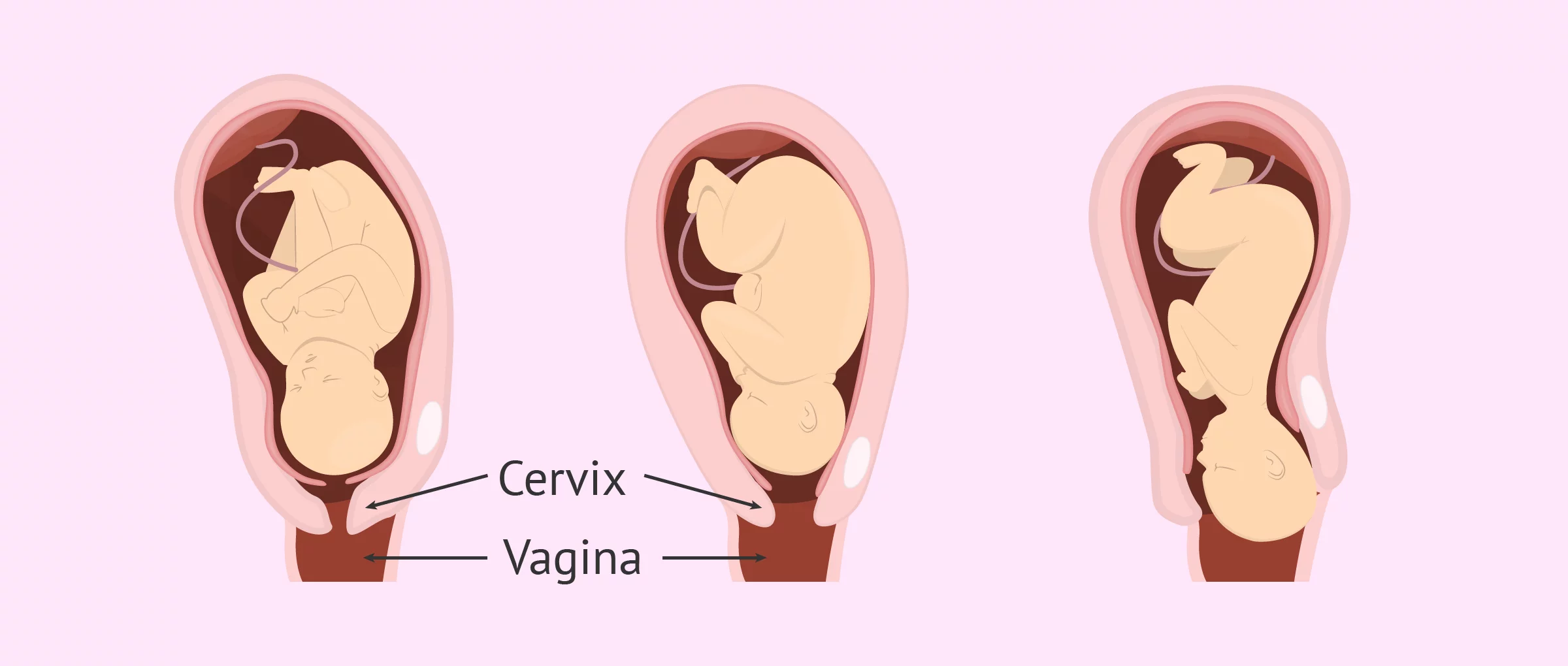
Vaginal delivery is the typical way that babies are brought into the world. During vaginal delivery, a baby travels through the passageway and out of the parent's body. This method is usually painful but can be made more manageable with pain relief.
C-Section
Cesarean delivery is a surgical procedure carried out a baby through an incision in the abdomen and uterus. It may be required when there are complications during labor. Some situations where a C-section is needed involve fetal distress, breech presentation, placenta previa, and prior abdominal surgery.
Birthing in Water
Giving birth in a pool is becoming more common as more individuals planning a pregnancy seek different ways to give birth. The buoyancy of the water can help minimize the intensity of contractions, allowing for a more calm and peaceful birthing experience. Additionally, the warm water can aid in easing anxiety.
It's important to discuss this option with a medical professional before considering a water birth to ensure it's suitable for your individual circumstances. Your doctor or midwife can offer advice on the steps involved in preparing for a water birth.
Birthing at Home
Choosing to bring life into the world at your residence is becoming increasingly popular. Many women are finding that a home birth can be a secure and rewarding experience. With the assistance of a experienced professional, couples can enjoy a more natural birthing process in the comfort of their own home.
Birth in Hospital
A hospital birth can offer many benefits for both mothers and babies. Hospitals are stocked with advanced medical equipment, and there's always a group of skilled doctors on hand. This can be especially important for concerns that may occur during labor and delivery.
- Additionally, hospitals often have separate suites where mothers can recover after labor.
- Quite a few hospitals also extend postpartum care, which can be essential for new parents as they become accustomed to life with their newborn.
A Midwife-Led Delivery
Choosing a midwife for your birth can be an amazing experience. A qualified midwife will provide comprehensive prenatal, labor, and postpartum support. They prioritize natural childbirth approaches and empower birthing individuals to have a meaningful birth experience. A midwife advocates for the mother's choices and cultivates a nurturing atmosphere for labor and delivery.
The Role of a Doula in Birth Experiences
A doula provides continuous comforting support to birthing people before, during, and immediately after childbirth. They provide informational guidance informed by the individual's birth plan and preferences. Doulas advocate for the birthing person's needs, helping them feel secure throughout the process. They can also help partners navigate their roles and provide supportive presence to the whole family.
- Doulas may help with relaxation techniques like breathing exercises.
- Their presence can reduce the need for pain medication.
- Evidence suggests that doula assistance can lead to easier births.
Overall, a doula's role is to create a more supportive birth experience for everyone involved.
Induction of Labor
Labor induction is a medical procedure used to start labor before it on its own begins. There are several reasons why a doctor might recommend induction, such as passing the due date, premature pregnancy, or medical conditions challenging both the mother and the baby. The process generally involves using medications or other methods to stimulate contractions in the uterus.
Some common methods of labor induction include prostaglandins, oxytocin, and amniotomy, where a small incision is made in the amniotic sac surrounding the baby.
It's important to note that labor induction can have both benefits and risks. Discuss your doctor about the potential risks and benefits of induction before making a decision.
Vaginal incision
An episiotomy is a surgical cut made in the perineum during childbirth. This region is located between the vagina and anus. There are different motivations for performing an episiotomy, such as to ease delivery or prevent tearing of the perineum naturally. Some doctors recommend this procedure if there are concerns about the baby's size or position, while others favor a more natural approach unless complications arise. An episiotomy is typically performed quickly and with local anesthesia. While it can reduce tearing, it also carries potential issues like bleeding, pain, and delayed healing. After the procedure, stitches are usually needed to close the incision. It's important for women to discuss their options and preferences with their healthcare provider to make an informed decision about whether or not an episiotomy is right for them.
Forceps Delivery
During a childbirth, forceps may be used to assist in the removal of the baby. This procedure is usually performed when there are difficulties with the natural delivery process. Forceps are specialized tools that are carefully placed into the vagina to guide the baby out.
Forceps delivery is typically only recommended when there are medical necessities, such as fetal distress or a extended labor. The decision to use forceps is made by the doctor based on a careful assessment of the mother's and baby's condition.
While forceps delivery can be a safe and effective procedure, there are potential hazards associated with it. These may include injury to the infant's skull, tears in the mother's vagina, and inflammation.
Vacuum Extraction
Vacuum extraction is a technique utilized during labor to assist in the delivery of a baby. It involves attaching a suction cup to the baby's head, and then gently pulling on the cup as the mother pushes. This method can be helpful in cases where natural birth is slow or if there are concerns about fetal distress. Vacuum extraction should only be performed by trained healthcare professionals under appropriate circumstances.
Premature Birth
Premature birth, also known as preterm birth, occur/happens/takes place when a baby is born before 38 weeks of pregnancy. These infants are considered/face challenges/need extra care as their organs and systems may not be fully developed/have not matured completely/aren't ready for life outside the womb. The causes of premature birth can vary widely/are multifaceted/include a range of factors, such as/including/comprising infections, maternal health conditions, multiple pregnancies, and genetic predisposition. Premature babies often require/frequently need/may necessitate specialized medical care in a neonatal intensive care unit (NICU) to help them thrive/support their development/ensure their well-being.
Term Birth
A timely arrival is when a baby is born between 37 and 42 weeks of pregnancy. This is considered the most healthy time for babies to be born, as their organs are mature and they have a lower risk of problems.
During a full-term delivery, the baby is usually between 6.5 and 9 pounds in weight and about 19 to 21 inches long. A full-term delivery is often a joyful experience for both the mother and baby.
Postpartum Hemorrhage
Postpartum hemorrhage is a/can be/represents a serious/life-threatening/critical condition/complication/issue that occurs during/after/following childbirth. It involves/It entails/It refers to the uncontrolled/excessive/heavy bleeding/loss of blood/discharge of blood from the uterus/womb/female reproductive organ after delivery, typically/usually/frequently. This situation/occurrence/event can be extremely dangerous/potentially fatal/very harmful if not managed promptly/treated quickly/addressed immediately.
Several factors/A number of reasons/Many causes can contribute to/may lead to/are associated with postpartum hemorrhage, including/such as/like uterine atony, tears in the cervix or vagina, retained placenta, and blood clotting disorders.
Effective Pain Management Options
Pain is an inevitable part of life, but it doesn't have to dictate your days. There are several pain management options available that can assist you find relief and enhance your quality of life.
, consider over-the-counter pain relievers. These include nonsteroidal anti-inflammatory drugs (NSAIDs) like ibuprofen and naproxen, which can reduce inflammation and pain. For profound pain, your doctor may suggest stronger medications, such as opioids.
It's get more info important to convey your pain levels and medical history with your doctor in order to ascertain the best treatment plan for you.
Beyond, there are complementary pain management options that offer relief. These feature therapies like physical therapy, massage, acupuncture, and yoga, which can help reduce pain by enhancing flexibility, strength, and overall well-being.
Unmedicated Childbirth
Many parents are choosing to experience childbirth autonomously. Natural childbirth involves avoiding medical assistance and allowing the birth process to unfold organically. This can include practices like meditation to manage pain, unassisted births, and skin-to-skin contact after delivery. While it requires preparation, many individuals find natural childbirth to be a powerful experience that fosters a strong bond between the baby.
Embracing Unmedicated Childbirth
Unmedicated childbirth, also known as natural birth, is a option made by some expectant parents to give birth without the use of pain relief. It involves trusting your body's innate ability to labor and deliver. Many women find unmedicated childbirth to be a powerful experience, allowing them to feel more present with the process.
- Some common practices used in unmedicated childbirth include breathing methods, relaxation approaches, and massage.
- During labor, a doula or supportive partner can provide emotional encouragement and physical comfort measures.
- While unmedicated childbirth can be challenging, it is also incredibly rewarding.
Ultimately, the decision to pursue unmedicated childbirth is a personal one that should be made after careful consideration and discussion with your healthcare provider.
Risks of Induced Labor
While induced labor can be successful, it also carries certain complications. Some potential risks include tears in the uterus, which can result in severe bleeding. Babies may develop problems such as asphyxia due to the altered natural progression of labor. Occasionally, induced labor can lead to a difficult delivery. It's important to discuss these risks with your healthcare provider before deciding if induction is the right choice for you.
Post-Surgery Recovery
Recovering from a cesarean section is a challenge. It's important to be patient as you recover. Listen to your doctor's recommendations carefully and rest up enough time to fully recover.
After the initial stages, you may encounter some soreness. This is normal, but if you have, contact your doctor.
Remember this helpful suggestions for making the process easier:
- Prioritize sleep
- Eat a healthy diet
- Stay hydrated
- Move around gently
- Don't overexert yourself
Remember, recovery is a process.
Breech Presentation
Breech presentation occurs when a baby's position in the uterus is feet-first during pregnancy. In this situation, the baby's head is at the entrance of the birth canal rather than down towards the cervix. While many babies naturally turn into the ideal position before delivery, some remain in a breech position. There are various factors that may contribute to a breech presentation, including uterine size, multiple pregnancies, and early labor. If your baby is diagnosed with breech presentation, you and your doctor will discuss the best course of action for delivery.
- Complications associated with breech birth may include:
- greater likelihood of instrumental vaginal births
- increased risk of the baby's circulation being restricted
- Potential for injury to the baby's lower body upon birth
Regular prenatal appointments are essential to monitor your baby's position and discuss any concerns you may have. Your doctor will provide guidance on managing breech presentation and help you make informed decisions about your delivery plan.